
When a Renovation Becomes Inspiration
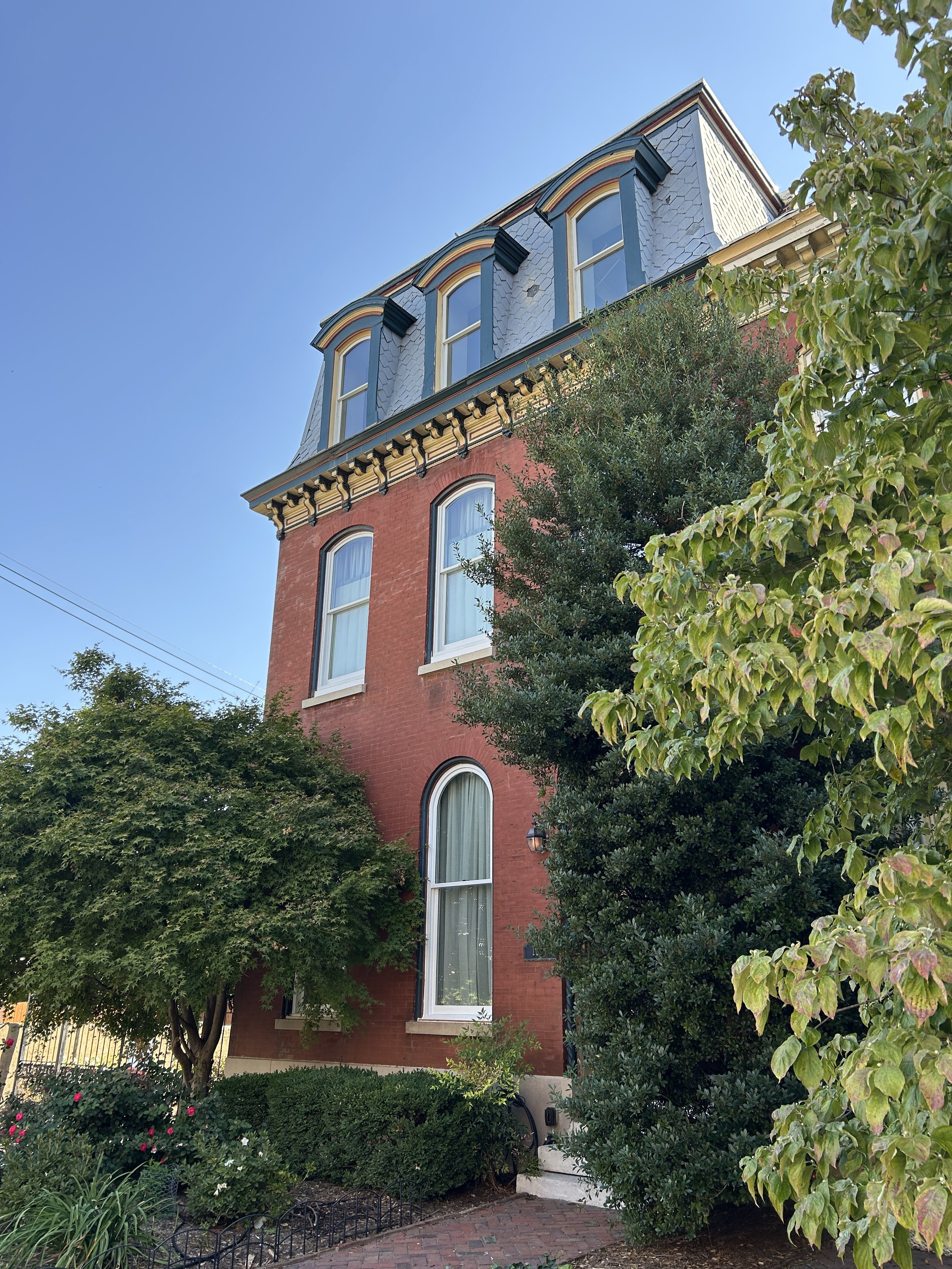
The 1898 Window Series
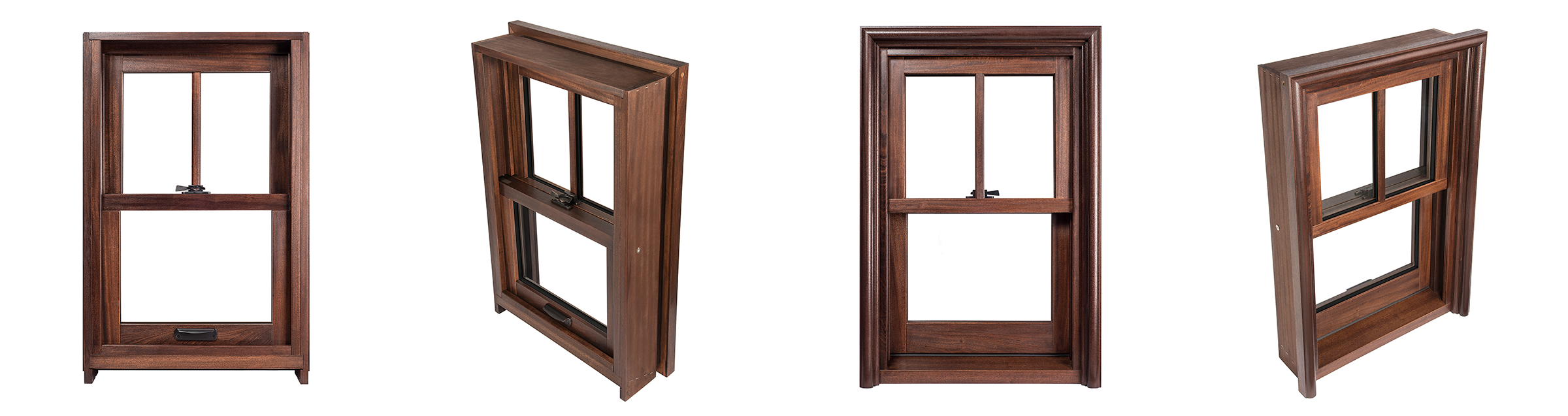
Rivertown Window’s 1898 Window Series is the culmination of decades of experience building windows for structures built at the turn of the last century. The window features a 1-11/16” sash thickness, which was commonly used in windows of this era. This single-hung window features a ⅞" insulated glass unit (IGU), which allows for better insulating properties and more Argon gas (when specified) than our previous window design. For the balance system, we partnered with America’s oldest spring manufacturer to integrate a concealed-balance system that preserves the historically accurate sight lines of the window.
The 1898 Windows Series is built in clear-grade Ponderosa Pine or Sapele (Mahogany). The exterior of the window will come painted in one of our five standard colors or a custom color of your choosing. For increased durability, aluminum-clad exteriors are available. The interior is available painted or unfinished and ready for stain.
The 1898 Series Window is a tremendous value when compared to the cost of similar products manufactured by major window manufacturers. The window effectively balances historically accurate sight lines with modern energy-efficiency.
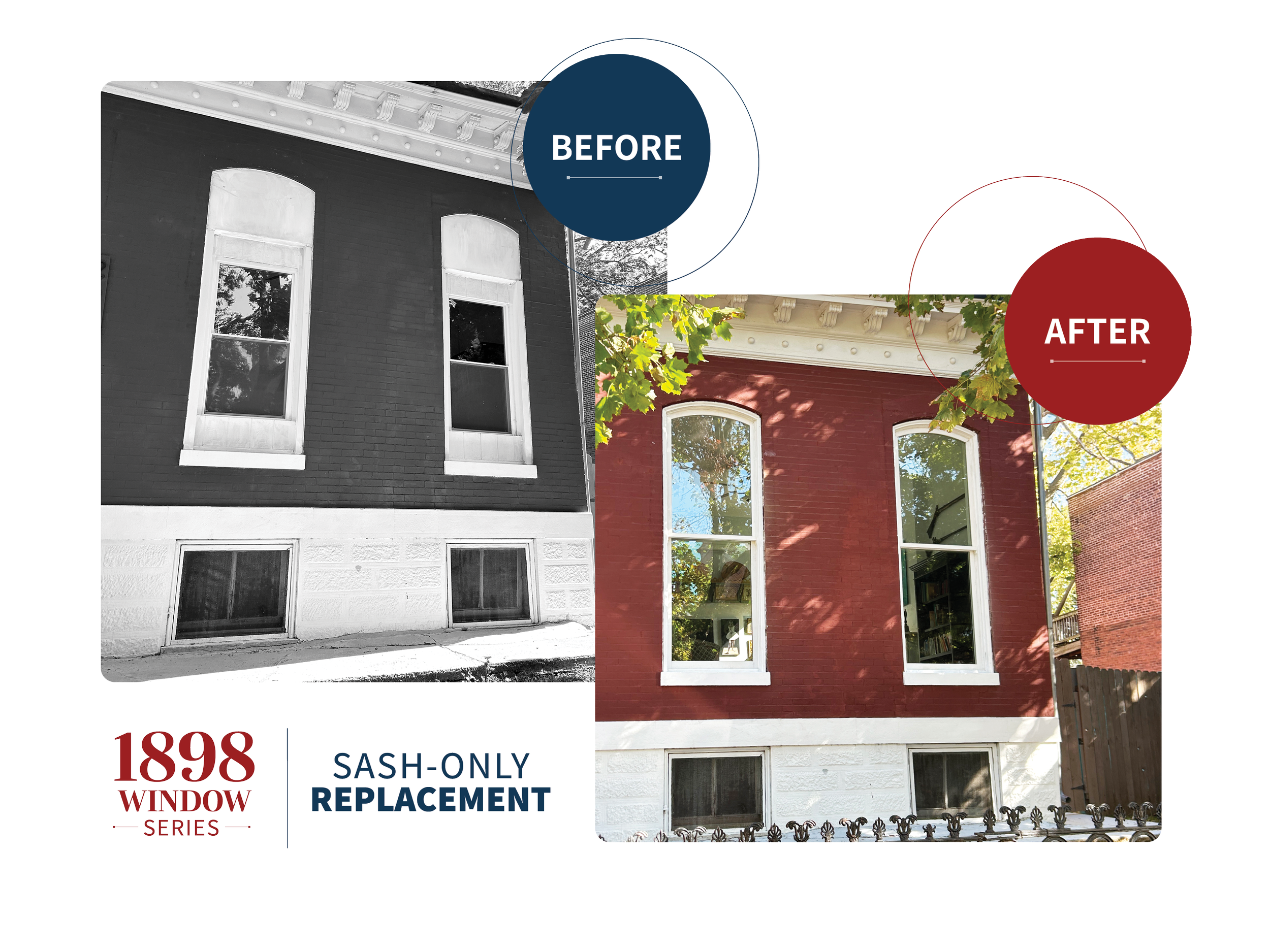
Sash-Only Replacements
The sash for the 1898 Window Series can be sold as part of a complete window unit, or sold loose for installation in an existing historical window frame. When sold as sash-only, the customer will receive energy-efficient sash that can be installed in an existing historical window frame. This preserves much of the historical window fabric (frame, sill, blindstop, brickmoulding, and weights/chains).
The 1898 Series window sash are 1-11/16”-thick, making them suitable for many turn-of-the-century era window frames. The sash feature modern 7/8” insulated glass and perimeter weatherstripping. For customers using the existing weight and chain system, the sides of the sash will be fabricated to accept the existing chains or ropes. Customers opting to use Rivertown’s concealed balance system will receive a retrofit kit with the new springs, carriers, and mounting hardware.
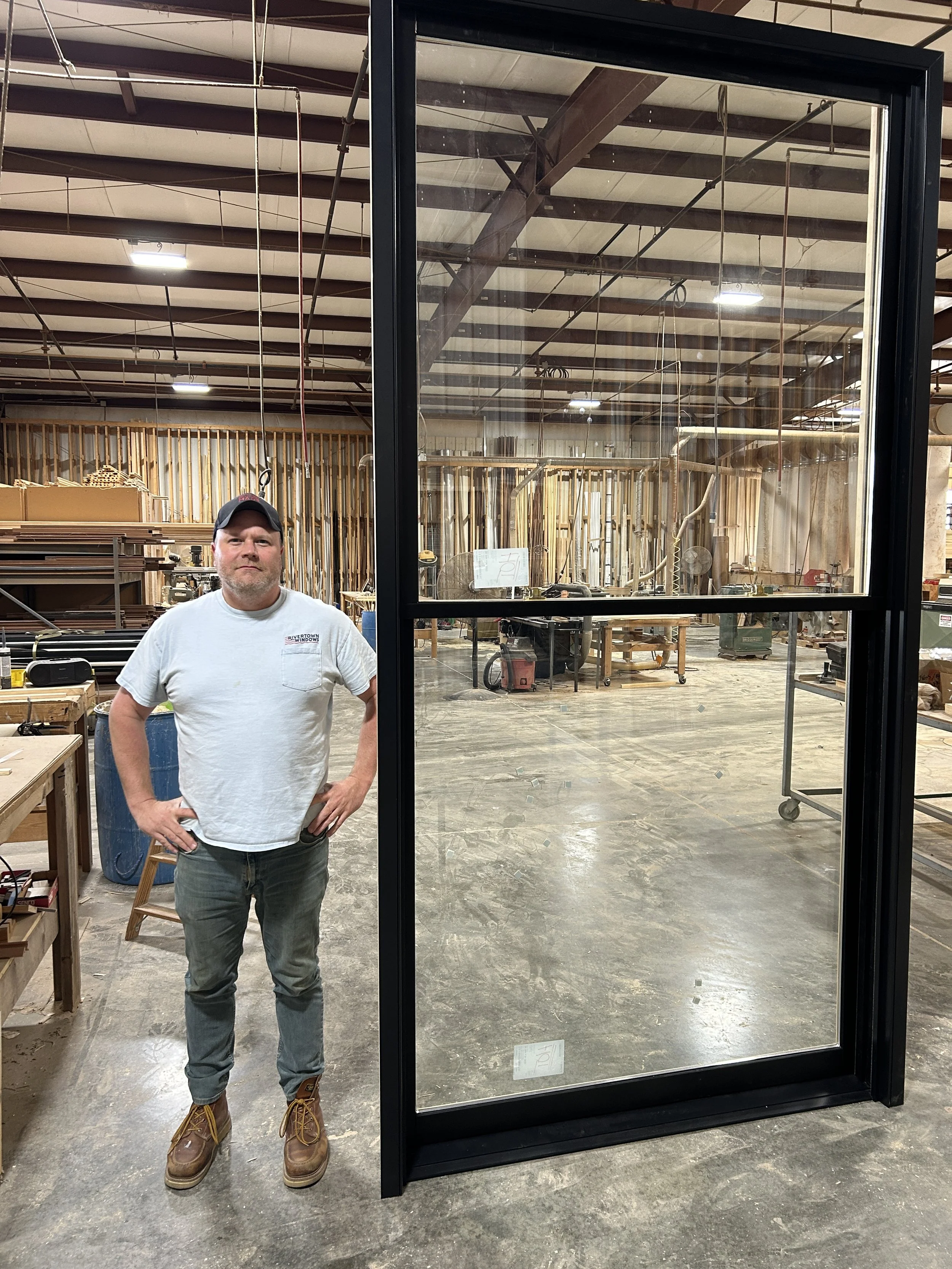
The prototype window we constructed for the Rock Spring School project has become the foundation for our entirely new 1898 Window Series. We used feedback from historical tax-credit consultants and professionals to refine subsequent prototypes and finalize the window’s design.

Project Roots
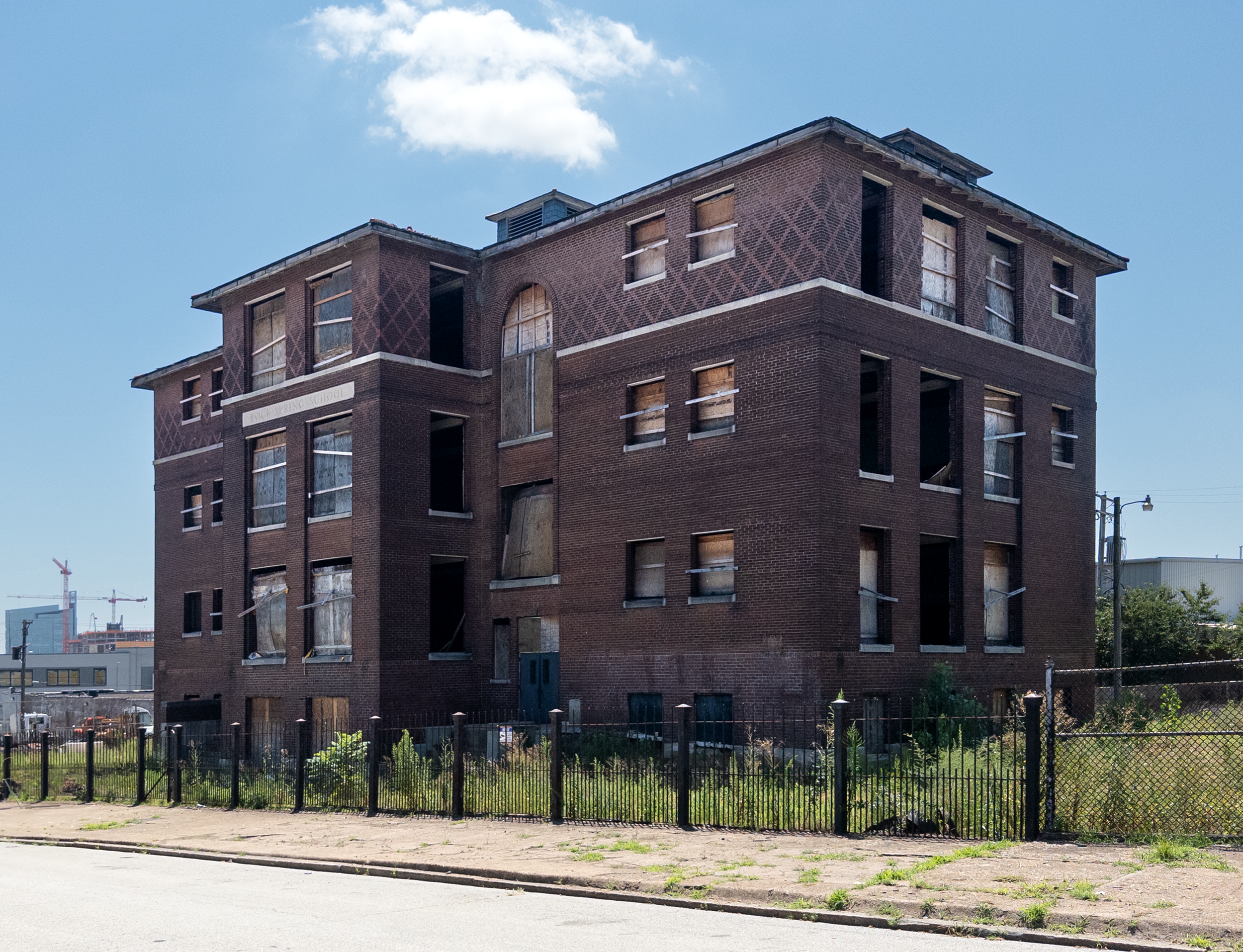
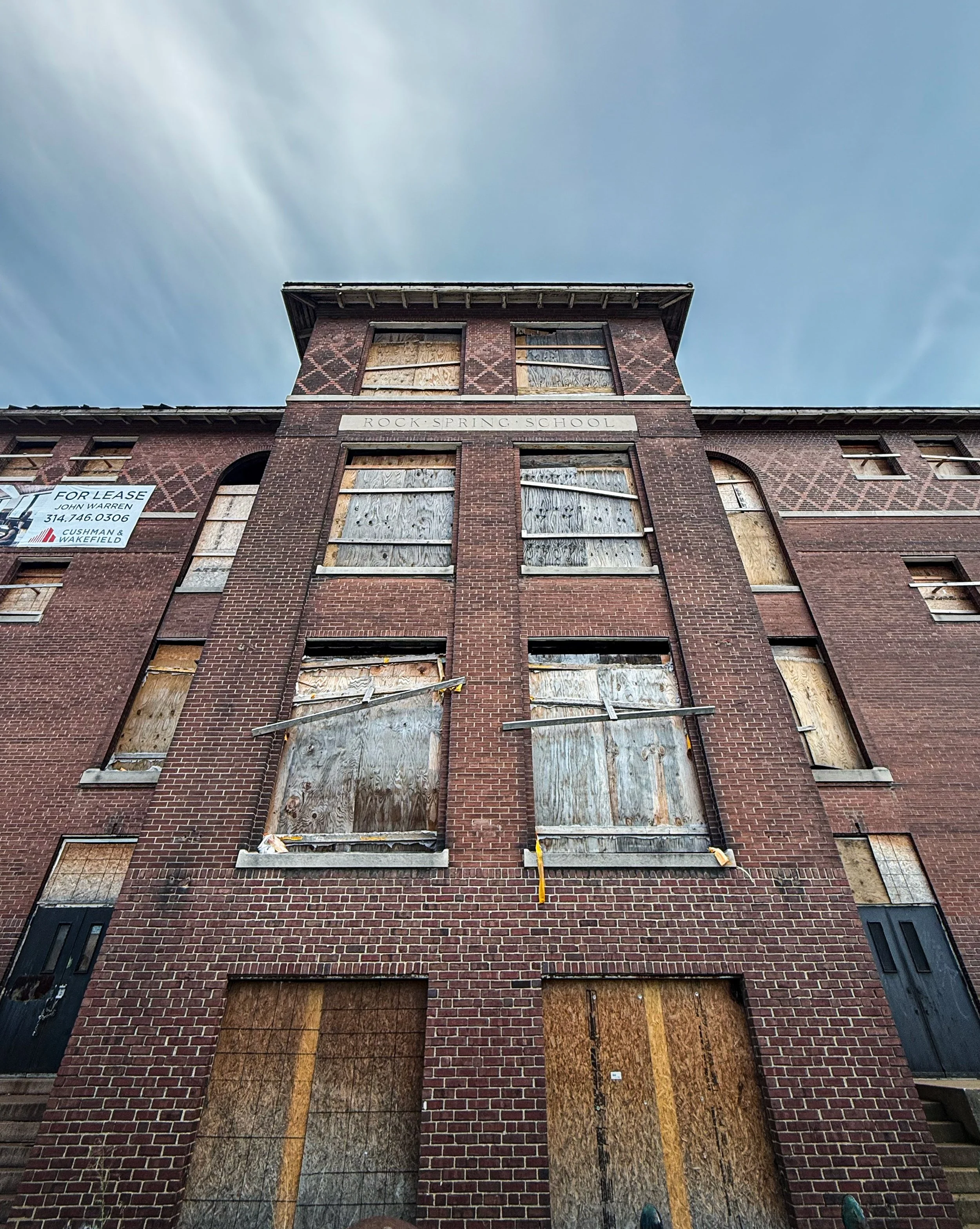
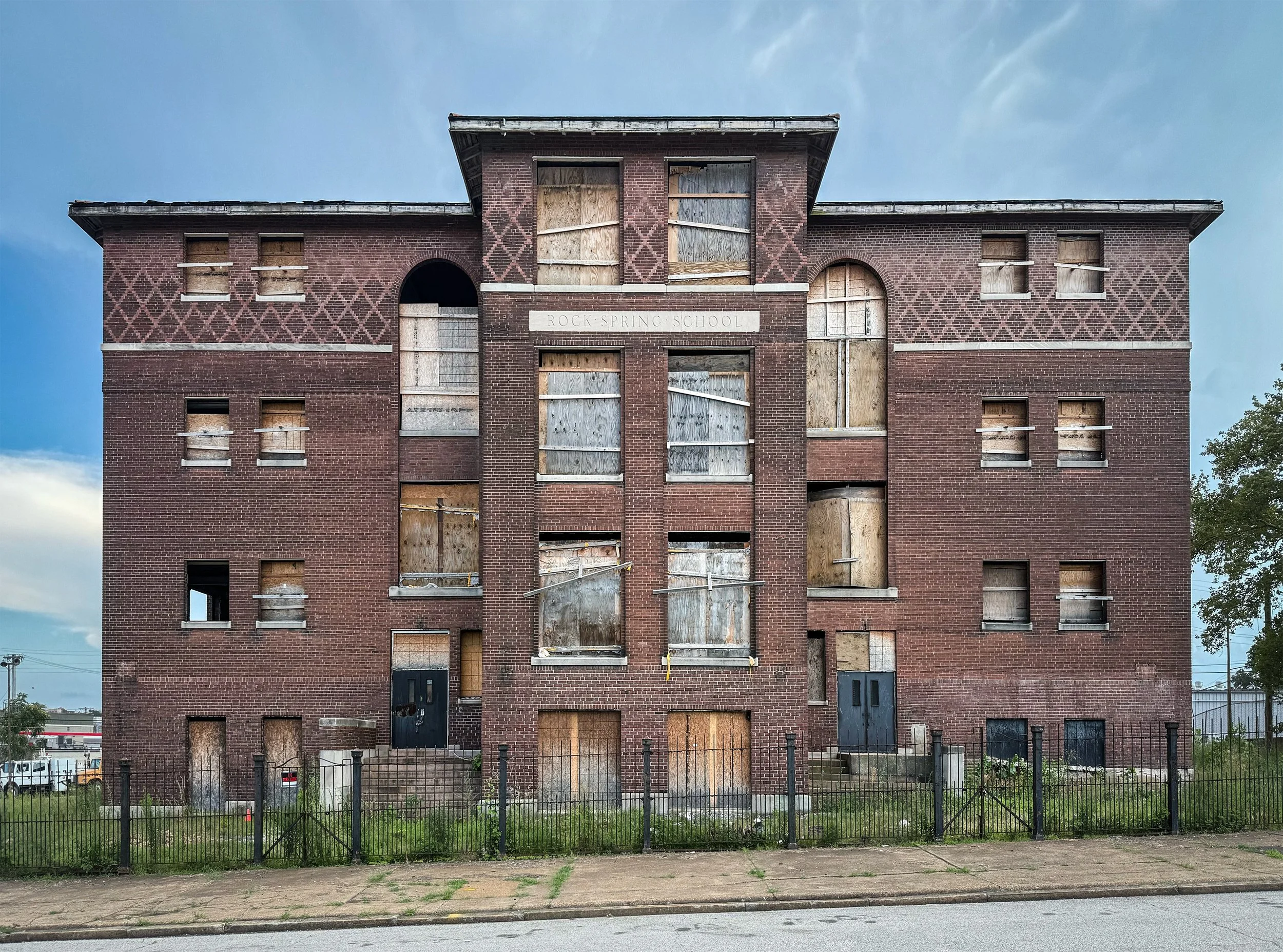
The story of Rivertown Windows’ 1898 Window Series began when we received a request to manufacture windows for the renovation of the long-vacant Rock Spring School building. The school, which opened in 1898, was an early example of the “open plan” design championed by renowned architect William B. Ittner.
When Ittner became Commissioner of School Buildings for the City of St. Louis in 1897, the city’s schools were dimly lit structures with no indoor plumbing and little green space. Rock Spring School was an attempt to remedy these issues. The building’s cruciform shape enabled large windows to be placed on three sides of each classroom, allowing for ample natural light and fresh air.
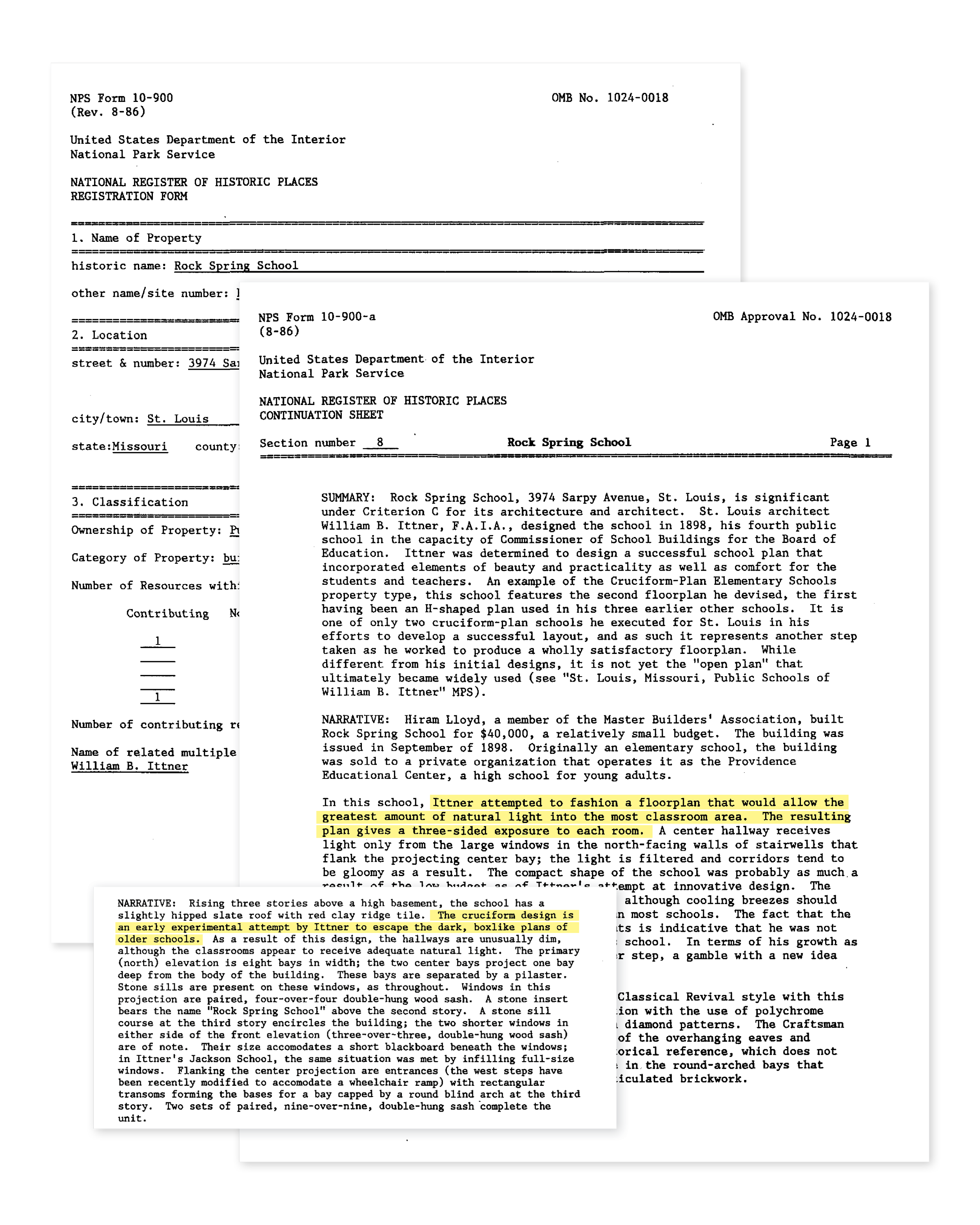
“The cruciform design is an early experimental attempt by Ittner to escape the dark, boxlike plans of older schools.
In this school, Ittner attempted to fashion a floorplan that would allow the greatest amount of natural light into the most classroom area. The resulting plan gives a three-sided exposure to each room.”
What Makes the 1898 Window Series Historical?
Windows at the turn-of-the-century were built by countless individual craftsmen; as such, there are no standard specifications for a turn-of-the-century window. Certain aspects of the windows were fairly consistent, such as jamb and sill thicknesses. Sash thicknesses were somewhat standardized too, generally ranging from 1-11/16” to 1-3/4”. Sash profiles exhibit more variability. Bottom rails, for example, can range from 3” to nearly 5” tall.
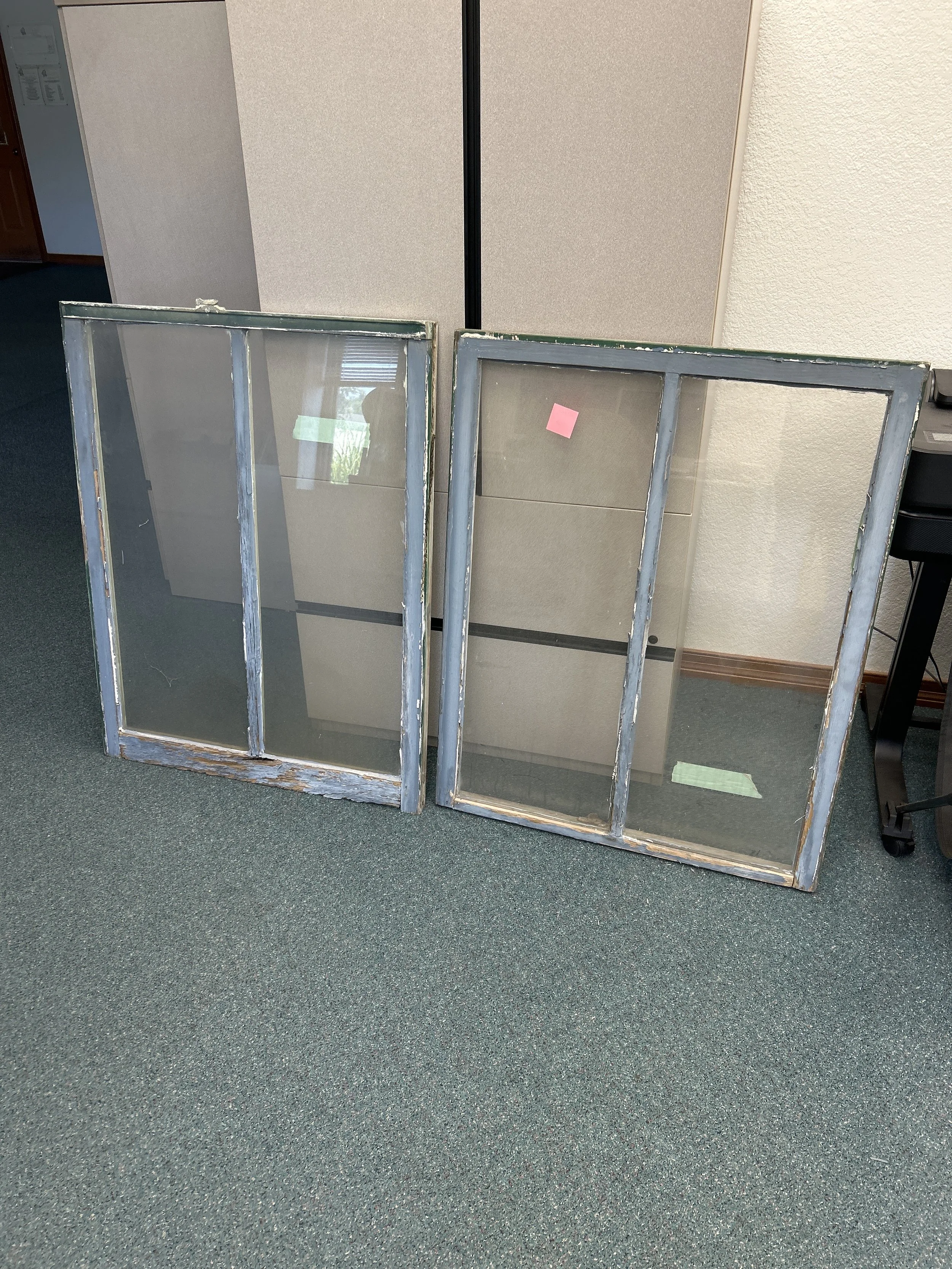
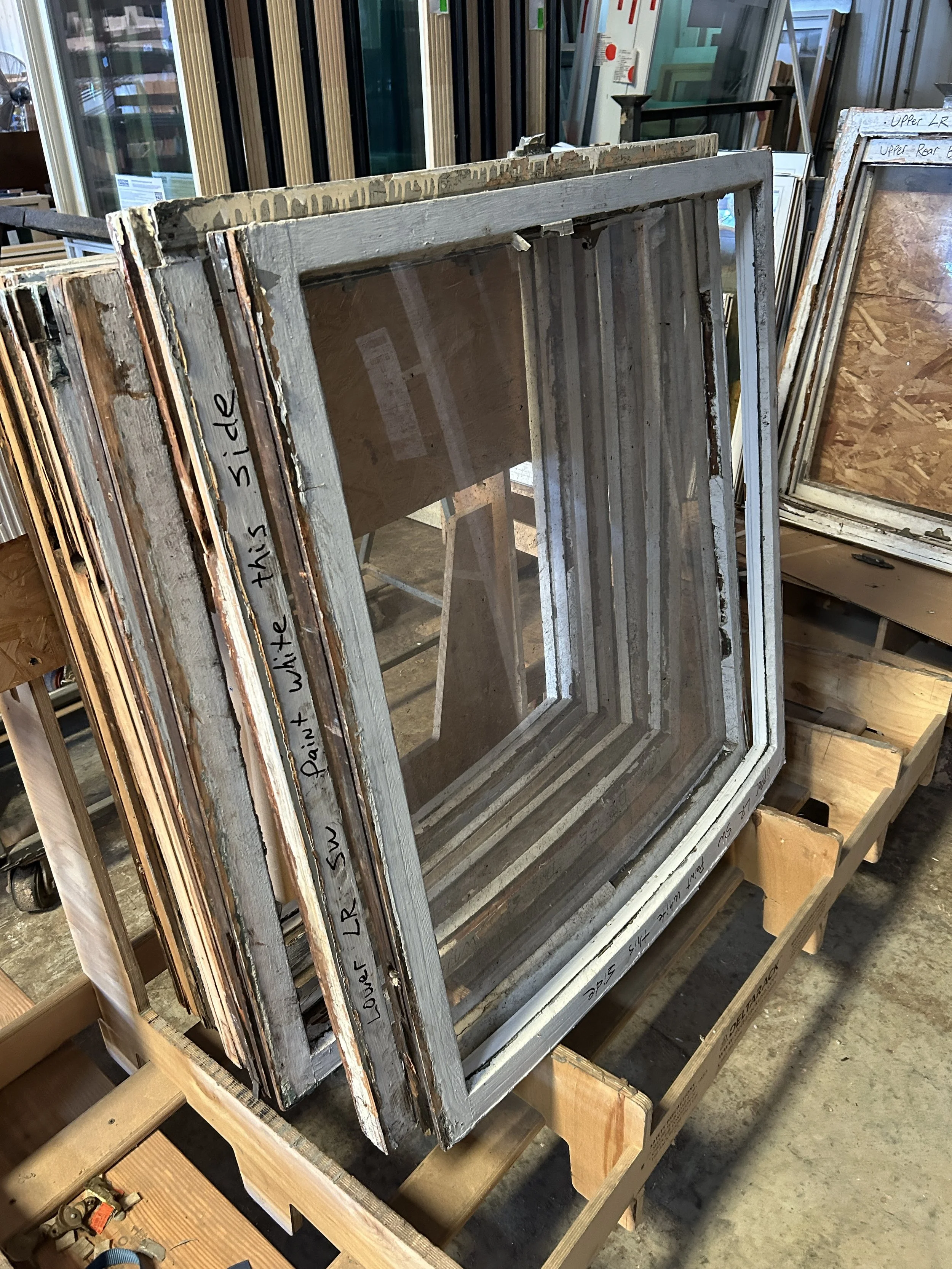
The first step in the design process for the new 1898 Window Series Window was a survey of historical window sash to find commonalities. Fortunately, we had accumulated a large supply of turn-of-the-century window sash over many years of replicating sash for our customers. The final dimensions selected for the 1898 Window Series sash are the culmination of this examination of historical window sash.